Students in a primary school classroom
In Latin America and the Caribbean, 20 million children are at risk of not learning to read and write adequately.

This is unacceptable.

The Instituto de Evidencia Educativa is an international organization that produces, analyzes and disseminates evidence to improve learning.

Latest news from the IEE
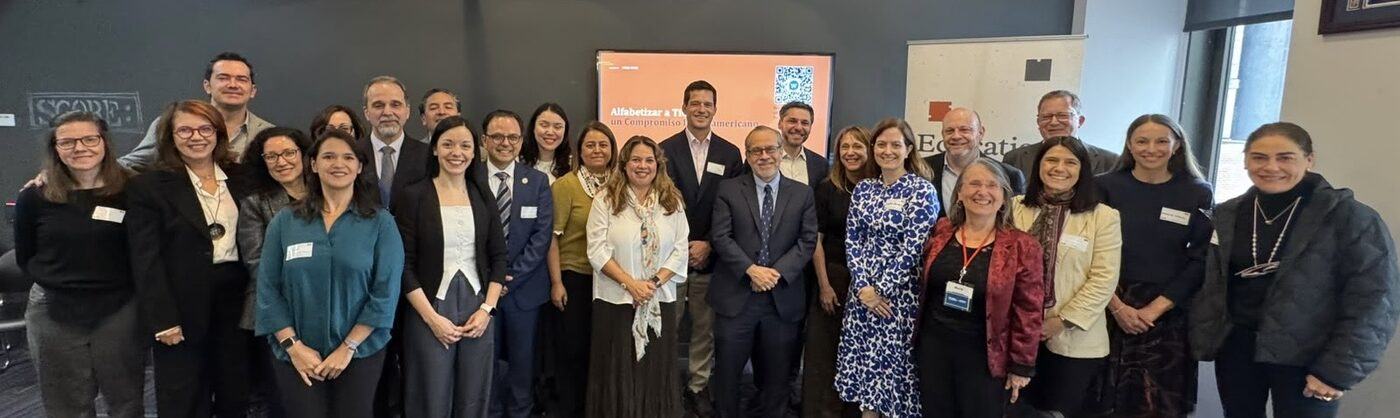
Representatives of international organizations and foundations at Education House, New York
UNGA 2026

“Literacy on Time”: international organizations and foundations prioritize early literacy

On September 22, at Education House, the IEE, Fundación Arcor, Instituto Natura and Fundación SURA brought together international organizations and foundations during the United Nations General Assembly week.

Read more
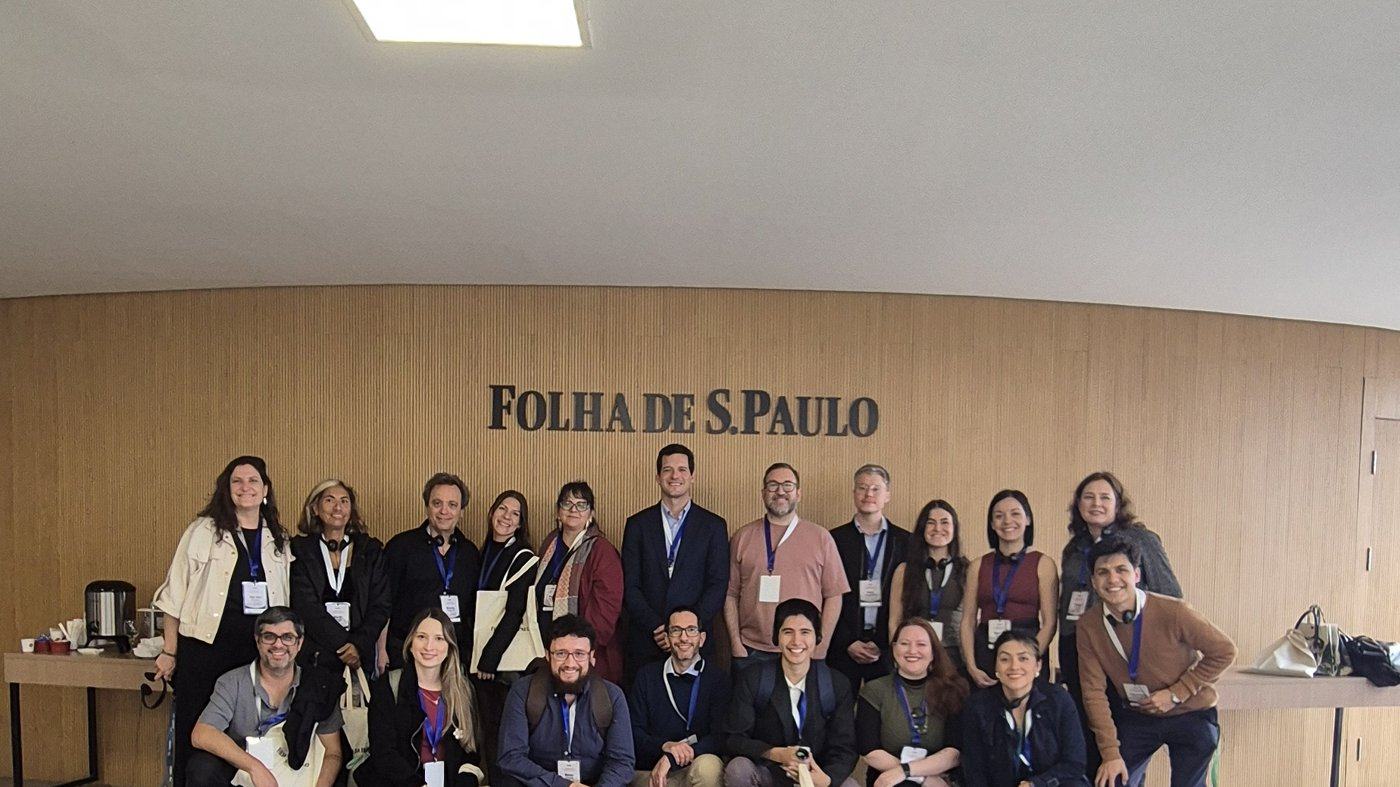
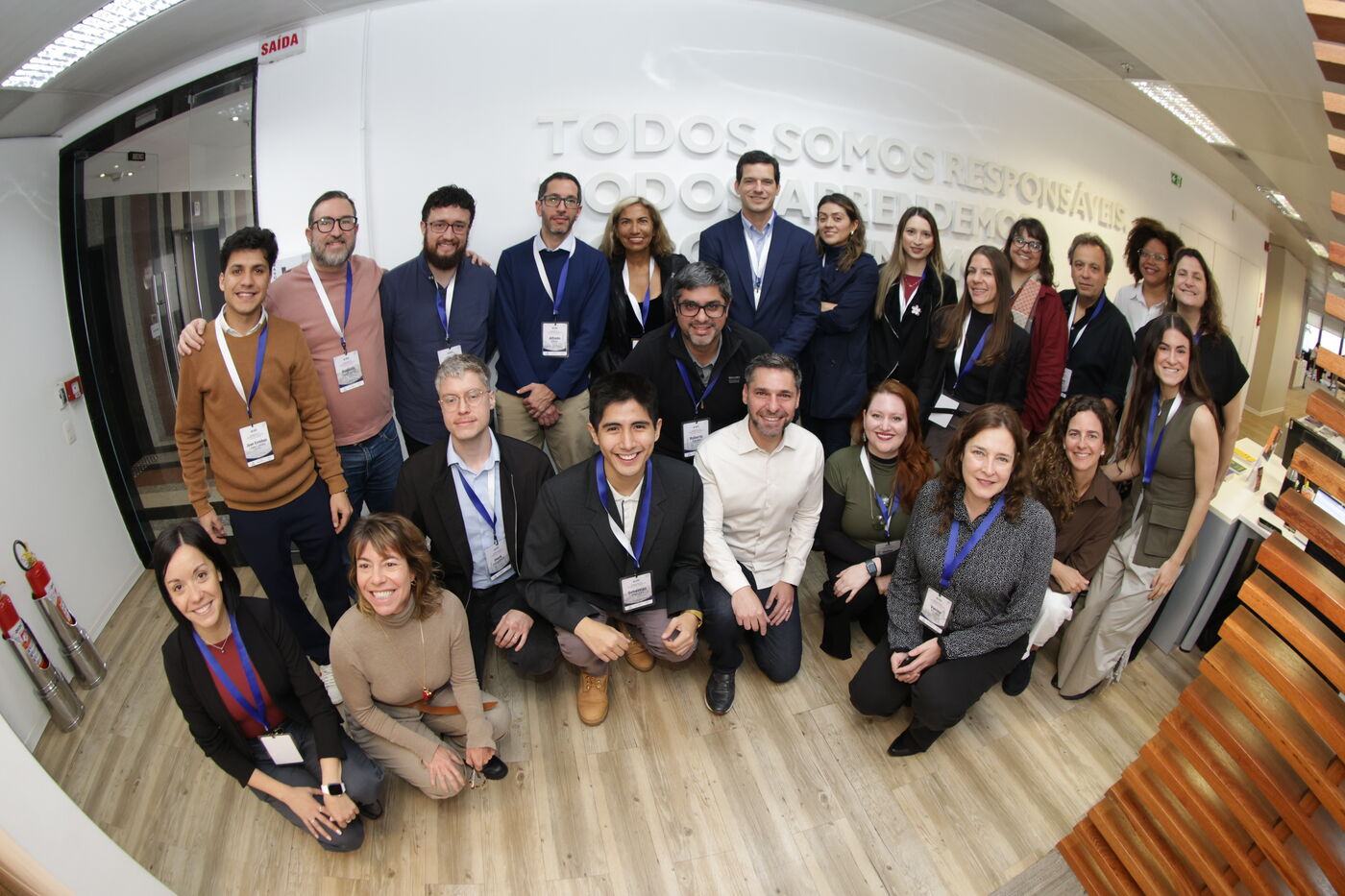
Participants of the 2026 Education Journalism Community at Folha de S.Paulo
Education Journalism Community

A network of journalists from six countries is born to cover education with evidence

Twelve journalists from leading media outlets in six countries make up the community’s first cohort.

Read more
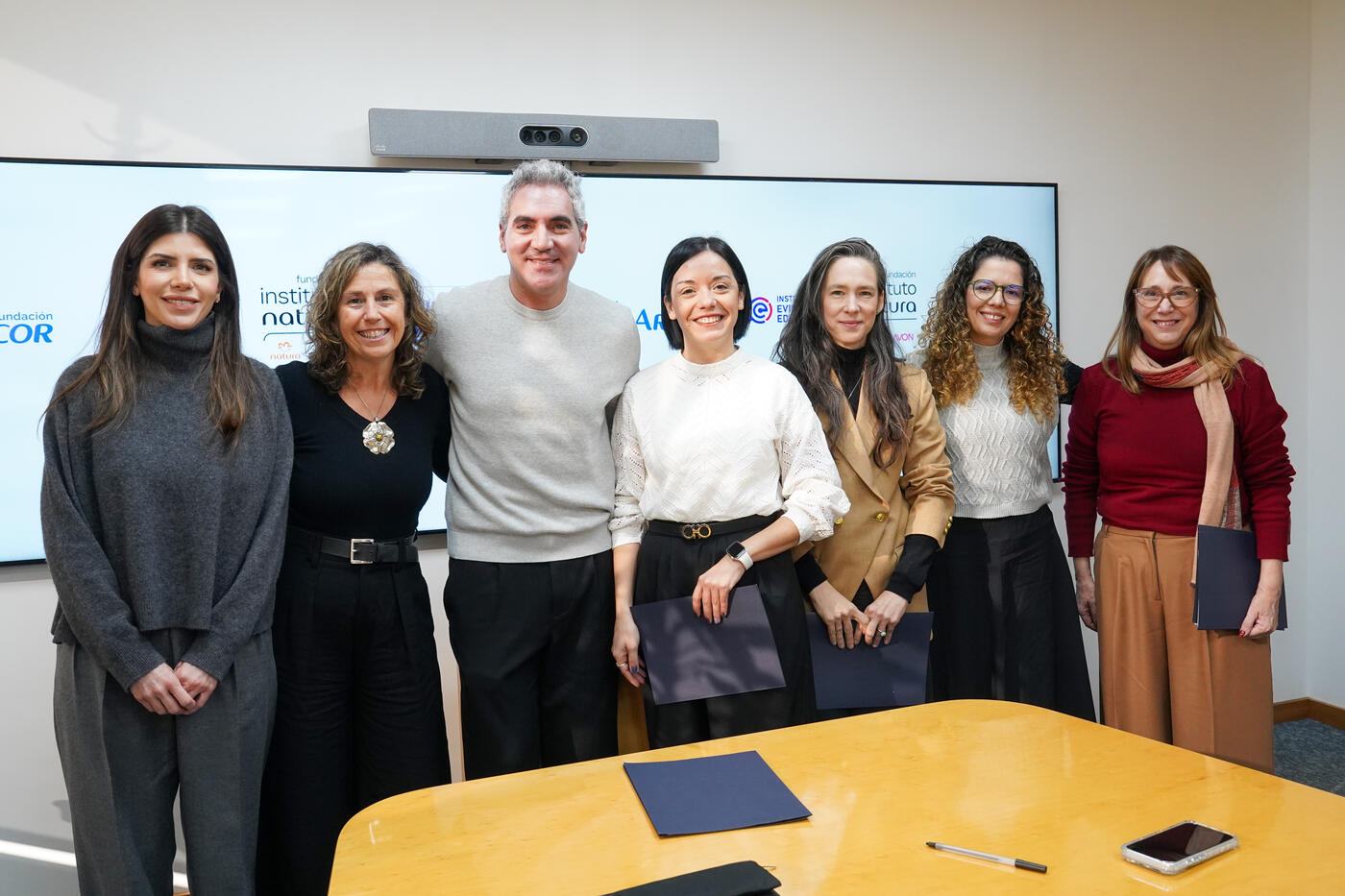
Signing of the alliance between Fundación Arcor, Instituto Natura, Fundación SURA and the Instituto de Evidencia Educativa
Alliances

Literacy scales up: four organizations join forces

Fundación Arcor, Instituto Natura, Fundación SURA and the IEE sign an agreement to make literacy at the right age a priority.

Read more

We turn evidence into useful knowledge to improve education.

We work on three mutually reinforcing fronts.

01

Research

We analyze education data, produce studies and build indicators that are comparable across countries, such as the Early Literacy Risk Indicator (IRA, by its Spanish acronym).

02

Communication

We translate complex evidence into clear messages for decision-makers, international organizations, philanthropy, journalists and the public.

03

Coalition building

We foster coalitions among governments, civil society, philanthropy and international organizations so that evidence turns into action.

Evidence that works across contexts

Declining reading performance is a challenge for almost every education system. We develop tools and ways of working that can be applied in different countries.

Comparable indicators

The IRA estimates early literacy risk by combining school exclusion and learning deprivation.

Coalitions built around evidence

We bring together governments, philanthropy, civil society and international organizations around shared goals.

Evidence in action

We measure our work by what evidence manages to move: decisions, alliances and public debate.

350+

organizations in the Reading Comprehension Movement, which we drive together with other partners

12

journalists from six countries and leading media outlets in the first cohort of the Education Journalism Community

6

countries where the literacy alliance we form with Fundación Arcor, Instituto Natura and Fundación SURA works

Recent events

New York · UNGA 2026

We organized “Literacy on Time” at Education House, together with our literacy partners.

Zurich · Jacobs Foundation

We took part in LEVANTE, on how to bring scientific evidence into education policy design.

Singapore · Better Future Forum

We presented our work on evidence and collective leadership to drive change in education policy.

Panama City · CAPADESO Philanthropy Forum

We spoke about coalitions, funding and working with governments to improve education.

We are an international organization dedicated to producing, analyzing and disseminating evidence to improve learning.

At the Instituto de Evidencia Educativa (IEE) we believe that understanding challenges is essential to overcoming them. Data and evidence make it possible to accelerate the strengthening of education systems at scale and to improve student learning in the classroom.

Evidence does not turn into better policy on its own: it has to be communicated clearly and owned collectively. That is why we combine research, communication and coordination among stakeholders from different sectors and countries.

Our team

Ignacio Ibarzabal

Ignacio Ibarzabal

Executive President
LinkedIn
Romina Durán

Romina Durán

Head of Research
LinkedIn
Agustina Gálvez

Agustina Gálvez

Partnerships Coordinator
LinkedIn
Dolores Ortiz

Dolores Ortiz

Projects Coordinator
LinkedIn
Adelaida Boada

Adelaida Boada

Projects Manager
LinkedIn
Trinidad Pacareu

Trinidad Pacareu

Project Lead
LinkedIn
Juan Esteban López Lemos

Juan Esteban López Lemos

Head of Press
LinkedIn
Fiorella Santini

Fiorella Santini

Data Analyst
LinkedIn

Our publications

We produce research and indicators that combine a local focus with international comparison, to understand learning challenges and guide decisions.

New indicator · IRA

Understanding the Risk, Acting with Urgency

See more
PISA 2025 analysis

The decline in reading is global: what the PISA 2025 results show

See more

Get our findings

Research, data and news on learning, straight to your inbox.

info@evidenciaeducativa.org
News

Latest news and events from the Instituto de Evidencia Educativa.

Representatives of international organizations and foundations at Education House, New York
International meeting

At UNGA, international organizations and foundations prioritize early literacy

During the UN General Assembly, the World Bank, the OECD, the OAS, the OEI and foundations agreed that Latin America has a historic opportunity to make progress on early literacy.

Read more
Participants of the 2026 Education Journalism Community at Folha de S.Paulo
Education Journalism Community

The Education Journalism Community is launched

Twelve journalists from six Latin American countries make up the first cohort of a regional network to strengthen, with evidence, the coverage of education challenges.

Read more
Signing of the alliance between Fundación Arcor, Instituto Natura, Fundación SURA and the Instituto de Evidencia Educativa
Regional Alliance

Literacy scales up...

Fundación Arcor, Instituto Natura, Fundación SURA and the Instituto de Evidencia Educativa sign an agreement to make literacy at the right age an urgent priority in the region.

Read more
Levante
International event

Jacobs Foundation’s LEVANTE event

Ignacio Ibarzabal, President of the IEE, attended the LEVANTE event organized by the Jacobs Foundation in Switzerland.

Read more
CAPADESO
International forum

Romina Durán spoke at the CAPADESO Philanthropy Forum in Panama

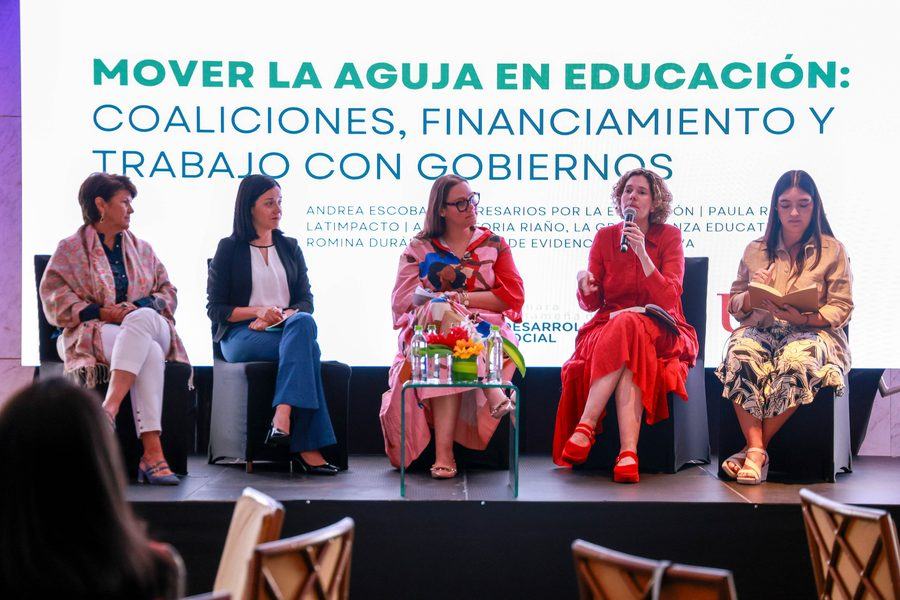
Our Head of Research joined the panel “Moving the needle in education: coalitions, funding and working with governments”.

Read more
Singapore
International event

The IEE at the Better Future Forum in Singapore

Ignacio Ibarzábal spoke at the Better Future Forum organized by the Global Institute for Shaping a Better Future.

Read more

What We Do

We turn evidence into useful knowledge to improve education.

01 — Research

Research

We produce knowledge and develop indicators on the main challenges and opportunities for education. We carry out studies, analyses and research that help to better understand the factors that affect learning and educational trajectories.

02 — Communication

Communication

We translate complex evidence into accessible messages and disseminate them widely to inform the public debate on education. We produce reports, visualizations and content that bring knowledge closer to decision-makers, organizations, journalists and the public.

03 — Coalition building

Coalition building

We help bring together different stakeholders and sectors around our findings. We promote alliances, initiatives and spaces for exchange among actors committed to improving education.

Who We Are

We are an international organization dedicated to producing, analyzing and disseminating evidence to improve learning.

At the Instituto de Evidencia Educativa (IEE) we believe that understanding challenges is essential to overcoming them. We consider that having data and evidence is key to accelerating the strengthening of education systems at scale and, in this way, improving student learning in the classroom. We work with the conviction that the similarities and differences we find across countries justify and require a growing level of exchange.

In collaboration with leading experts from different countries, we analyze education databases, produce studies that generate new findings, and create indicators to monitor key aspects of education policy. We also contribute to producing and disseminating key evidence to achieve improvements in education.

We believe that research and evidence do not automatically translate into better public policy. That is why we consider it important to disseminate our findings simply and widely, so that they inform public debate and the decisions of policymakers.

Collective action is also at the center of our model of change. Communicating evidence widely is not enough. It needs to be collectively owned by the actors who, from different sectors, can contribute to improving education. That is why we work with leading organizations so that our evidence can inform the action of broad coalitions.

Our team

Ignacio Ibarzabal

Ignacio Ibarzabal

Executive President
LinkedIn
Romina Durán

Romina Durán

Head of Research
LinkedIn
Agustina Gálvez

Agustina Gálvez

Partnerships Coordinator
LinkedIn
Dolores Ortiz

Dolores Ortiz

Projects Coordinator
LinkedIn
Adelaida Boada

Adelaida Boada

Projects Manager
LinkedIn
Trinidad Pacareu

Trinidad Pacareu

Project Lead
LinkedIn
Juan Esteban López Lemos

Juan Esteban López Lemos

Head of Press
LinkedIn
Fiorella Santini

Fiorella Santini

Data Analyst
LinkedIn

Research

We produce research, reports and analyses that help to understand education challenges and to strengthen evidence-based decision-making.

Report

Understanding the Risk, Acting with Urgency

See more
New report

Reading in Latin America and the Caribbean: Low Performance and Persistent Inequalities

See more

Understanding the Risk, Acting with Urgency

An estimate of the magnitude of early literacy risk in Argentina, Brazil, Chile, Colombia, Mexico and Peru.

Author

Romina Paola Durán

Date

July 2026

Countries analyzed

Argentina, Brazil, Chile, Colombia, Mexico and Peru

Topic

Early literacy, educational risk, learning to read

Indicator developed

Early Literacy Risk Indicator (IRA, by its Spanish acronym)

Early literacy is a decisive stage for reading development and for later educational trajectories. However, reading difficulties usually begin to take shape long before they become visible in learning assessments.

This study develops the Early Literacy Risk Indicator (IRA), a tool to estimate how many children go through their first years of school at risk in their reading development.

Based on comparable data for Argentina, Brazil, Chile, Colombia, Mexico and Peru, the report estimates that 10.1 million children aged 6 to 8 face risks to their reading development during the early literacy stage. This represents about 48% of the population going through this stage in the six countries analyzed: roughly one in every two children.

The IRA combines two dimensions: school exclusion and learning deprivation. Its purpose is to provide an early, preventive perspective that helps gauge the size of the challenge, set priorities and strengthen learning opportunities from the earliest years.

The results show that early literacy risk is present in every country analyzed, although it takes different forms. While some countries mainly face a challenge of scale, linked to the size of the population involved, others show a higher relative incidence of children exposed to difficulties in reading development.

Understanding where risk is concentrated is a necessary step to act in time. Making the problem visible is the first step; understanding it early widens the opportunities for intervention.

Download full report (PDF, in Spanish)

Reading in Latin America and the Caribbean: Low Performance and Persistent Inequalities

PISA 2025 results. A look at the reading skills of 15-year-old students in the 13 participating countries of the region, their recent evolution and the socioeconomic inequalities that cut across them.

Authors

Romina Paola Durán · Fiorella Giuliana Santini

Date

September 2026

Countries analyzed

Argentina, Brazil, Chile, Colombia, Costa Rica, Ecuador, El Salvador, Guatemala, Mexico, Paraguay, Peru, Dominican Republic and Uruguay

Topic

Reading skills, educational performance, socioeconomic inequality

Data source

OECD, PISA 2025 Results (Volume I) and PISA 2022 Results (Volume I)

The PISA 2025 results confirm that difficulties in building reading skills remain one of the main education challenges in Latin America and the Caribbean. On a simple average across the region’s 13 participating countries, almost 6 in 10 fifteen-year-old students are below Level 2 in reading, the minimum proficiency level that PISA considers students should have reached.

The region also sits well below the main international benchmarks. The simple average for Latin America and the Caribbean was 389 points in reading, compared with 461 points for the OECD average. Even Chile, the region’s best performer with 436 points, was 25 points below that benchmark. The gap is even wider compared with the top-performing systems: Singapore reached 535 points.

This report shows that the decline is not exclusive to the region —between 2018 and 2025, 56 of the 74 education systems with comparable data recorded statistically significant drops in reading— but it confirms that Latin America and the Caribbean faces this trend from considerably lower levels of performance. The comparison with PISA 2022 shows no signs of recovery either: among the 12 countries with comparable data, none improved its performance in a statistically significant way, and six recorded declines: Guatemala, Paraguay, Peru, Chile, Argentina and Uruguay.

Socioeconomic inequalities are another central dimension of the challenge. In every country with available data, students in the most advantaged 25% perform better in reading than those in the most disadvantaged 25%, with gaps of up to 93 points. On average, around 75% of students in the most disadvantaged quartile are below Level 2, compared with 38% in the most advantaged quartile.

Key findings

PISA looks at reading skills at age 15, but these skills are built throughout the entire educational trajectory. The results therefore reinforce the importance of developing foundational reading skills from the earliest years and sustaining them throughout schooling. The challenge is not only to reverse recent setbacks, but to build the conditions to develop, sustain and deepen reading skills throughout schooling.

Download full report (PDF, in Spanish)

At UNGA, international organizations and foundations agree to prioritize early literacy

During the United Nations General Assembly week, international organizations —the World Bank, the OECD, the OAS and the OEI— and Latin American foundations met in New York and agreed that the region has a historic opportunity to advance early literacy, a strategic priority for its development.

Representatives of international organizations and foundations at Education House, New York

The meeting took place on September 22 at Education House, the venue that brings together education-related initiatives and events during General Assembly week. Under the title “Literacy on Time: A Latin American Commitment” (“Alfabetizar a tiempo: un compromiso latinoamericano”), it convened representatives of international organizations and the region’s main philanthropic organizations supporting the improvement of early literacy.

According to the Early Literacy Risk Indicator (IRA), developed by the Instituto de Evidencia Educativa, 20 million children aged 6 to 8 in the region face risks to their reading development during the early literacy stage. Evidence shows that acquiring solid reading, writing and comprehension skills in time is decisive for continued learning and for developing higher-order skills. Literacy fosters individual freedom, helps reduce inequalities, strengthens citizenship and social cohesion, and promotes employment, productivity and economic development.

Progress by governments and civil society

The meeting acknowledged the progress made in recent years by both national and subnational governments in the region, as well as the growing support of civil society for this work. Highlights included commitments from political leaders and senior officials, greater coordination with civil society and other sectors, and improvements in learning indicators in specific territories.

Representatives of multilateral organizations included Jaime Saavedra (Regional Director for Human Development, Latin America and the Caribbean, World Bank), Lucia Dellagnello (Deputy Director for Education and Skills, OECD), Jesús Schucry Giacoman (Director of the Department of Human Development, Education and Employment, Organization of American States) and Luis Scaso (Director of the Office of the Organization of Ibero-American States (OEI) in Argentina).

A wide range of Latin American foundations supporting the improvement of early literacy in the region took part, including Fundación Compartamos, Fundación Coppel, the Jacobs Foundation, Fundação Lemann, Fundación Luker, Fundación Pérez Companc, the Tinker Foundation, Instituto Natura and Promotora Social México.

Participants agreed that significant change is possible in short periods of time when the components that evidence identifies as essential for early literacy policies are implemented in a coordinated way: focused initial and in-service teacher training, appropriate curricula and resources, and evidence-based practices.

A window of opportunity

Participants stressed the need to keep strengthening political commitment to this issue in Latin America.

The region is going through an unprecedented moment, with a higher level of coordination among governments, international organizations, philanthropy and civil society, which represents a concrete opportunity to accelerate improvements in early literacy. Sustaining and deepening this momentum requires public leadership and resolve, concrete goals on what it means for a student to be literate, sustained and effective investment, and education information, management and assessment systems.

At the meeting, organized by the Regional Literacy Alliance —made up of Fundación Arcor, Fundación SURA, the Instituto de Evidencia Educativa and Instituto Natura—, participants highlighted the potential of greater coordination among international organizations, governments, civil society and philanthropy to translate this momentum into concrete improvements in early literacy in the region, with 2030 as the horizon to accelerate progress on this strategic agenda for Latin America.

Education Journalism Community

Inform to Transform · A regional network of journalists committed to rigorous and independent coverage of education challenges in Latin America.

Participants of the 2026 Education Journalism Community

The Education Journalism Community — Inform to Transform is an initiative of the Instituto de Evidencia Educativa (IEE) aimed at strengthening media coverage of education challenges in Latin America, with a special focus on early literacy.

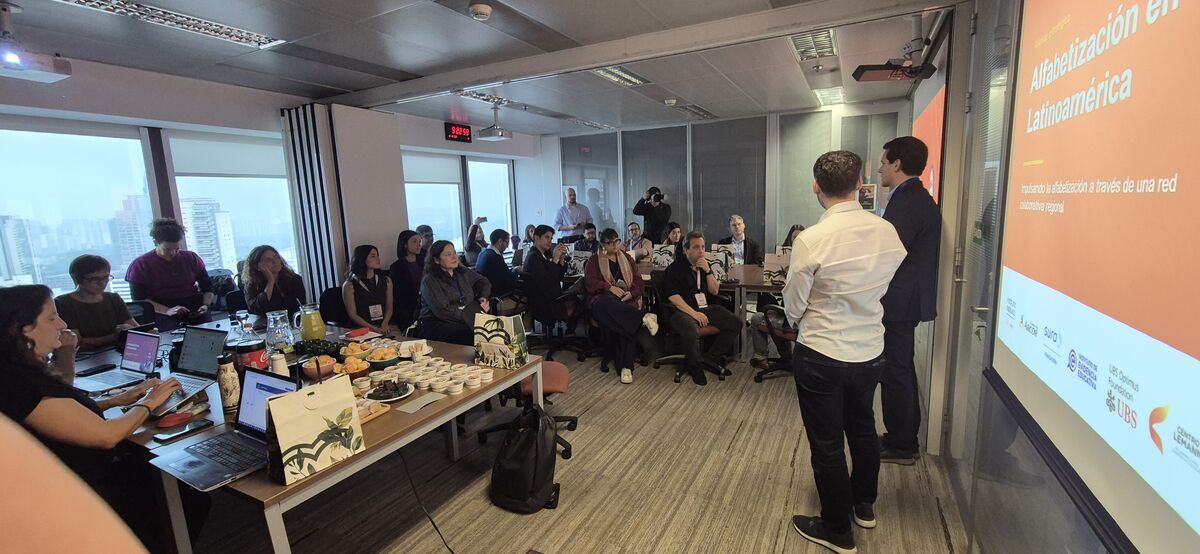
More than a training space, it is a regional community for professional exchange. The program brings together journalists from different countries in the region to promote the rigorous use of evidence, professional exchange and access to specialized sources. Through virtual meetings and an intensive in-person experience, participants share diagnoses, compare perspectives and build relationships that enrich their coverage.

Meeting of the Education Journalism Community Participants of the first cohort

Purpose

To strengthen media coverage of education challenges in Latin America through the rigorous use of evidence, the exchange of experiences and the building of a regional network of journalists.

Who it brings together

The community is made up of Latin American journalists with experience covering education or public-interest issues, the ability to influence public debate in their countries and a willingness to take an active part in a regional space for professional exchange.

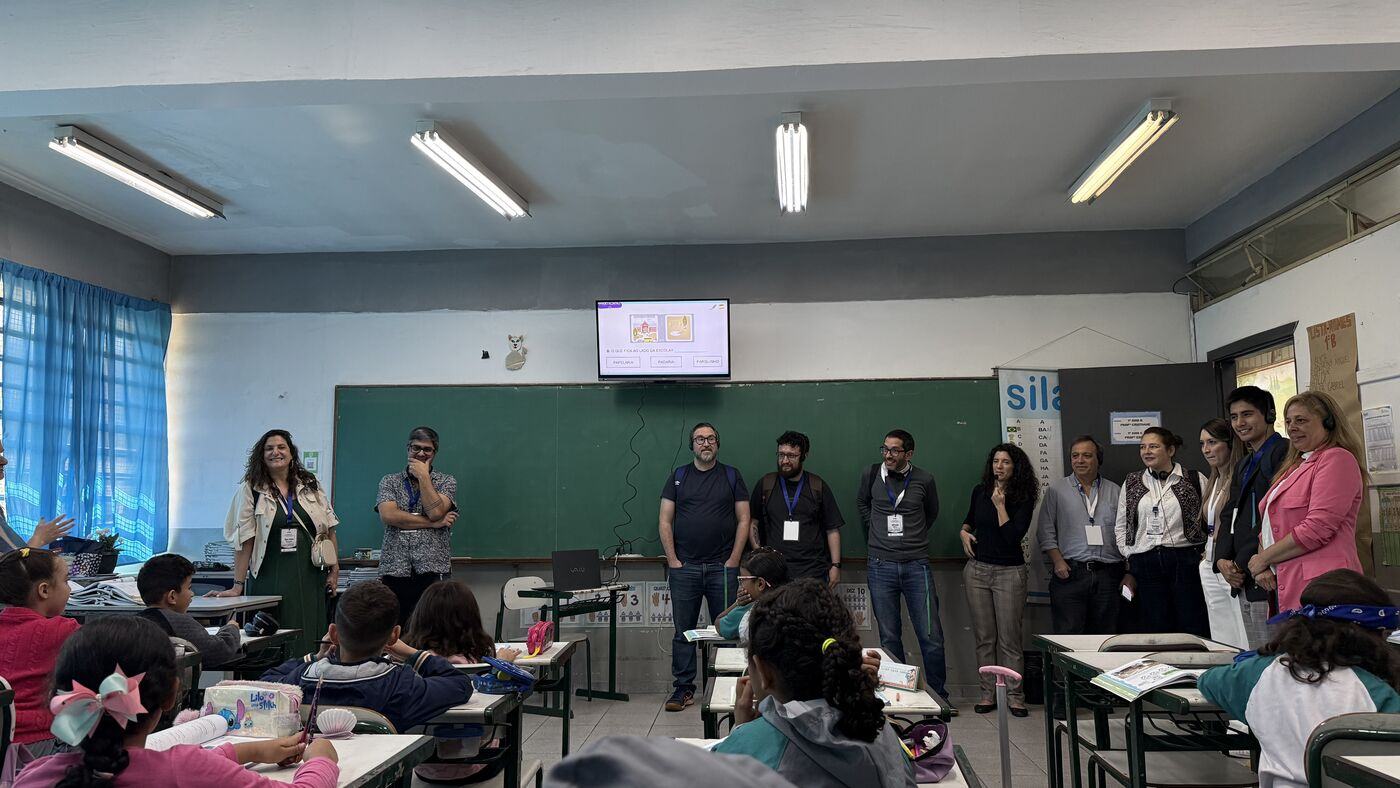
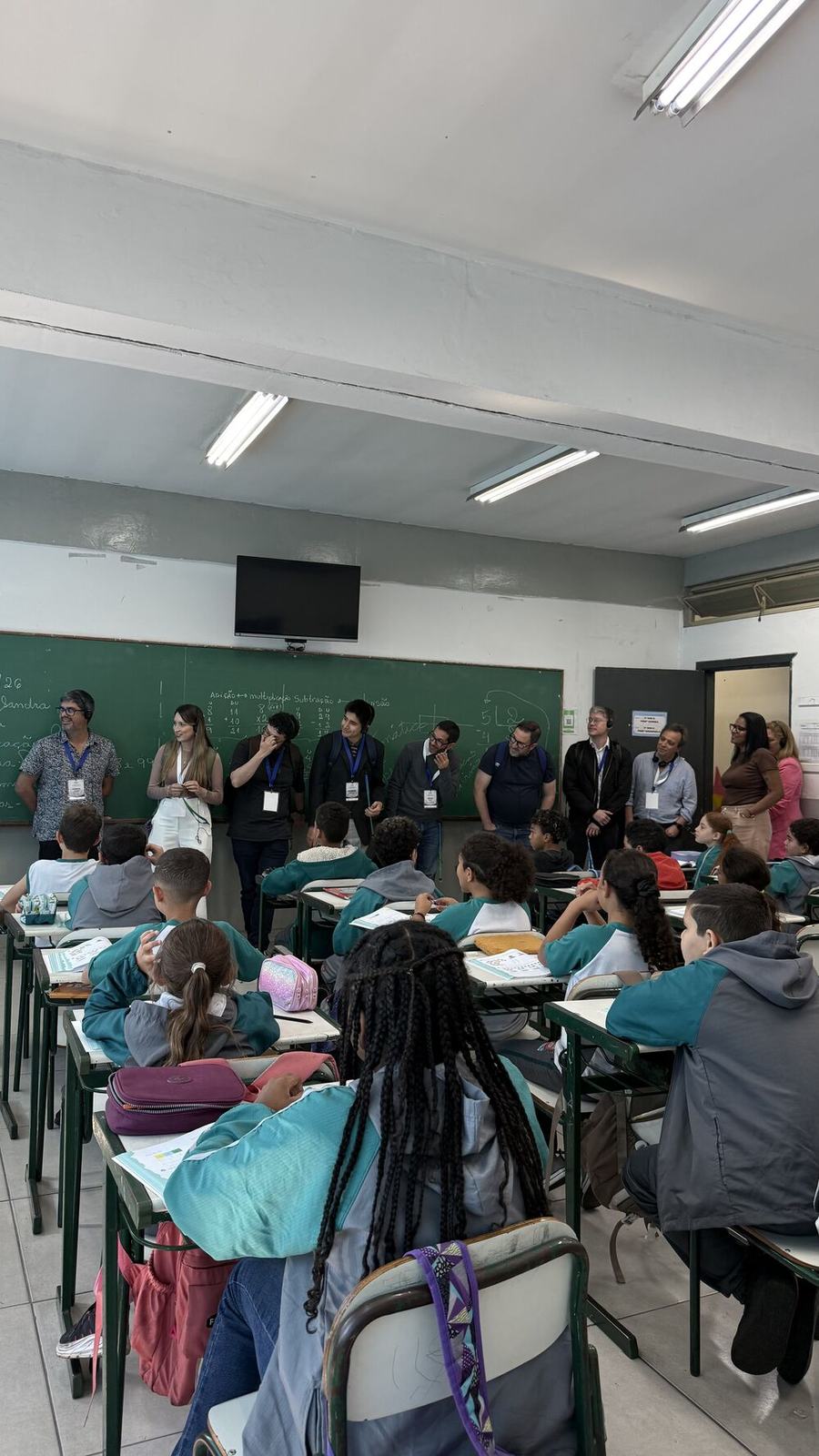
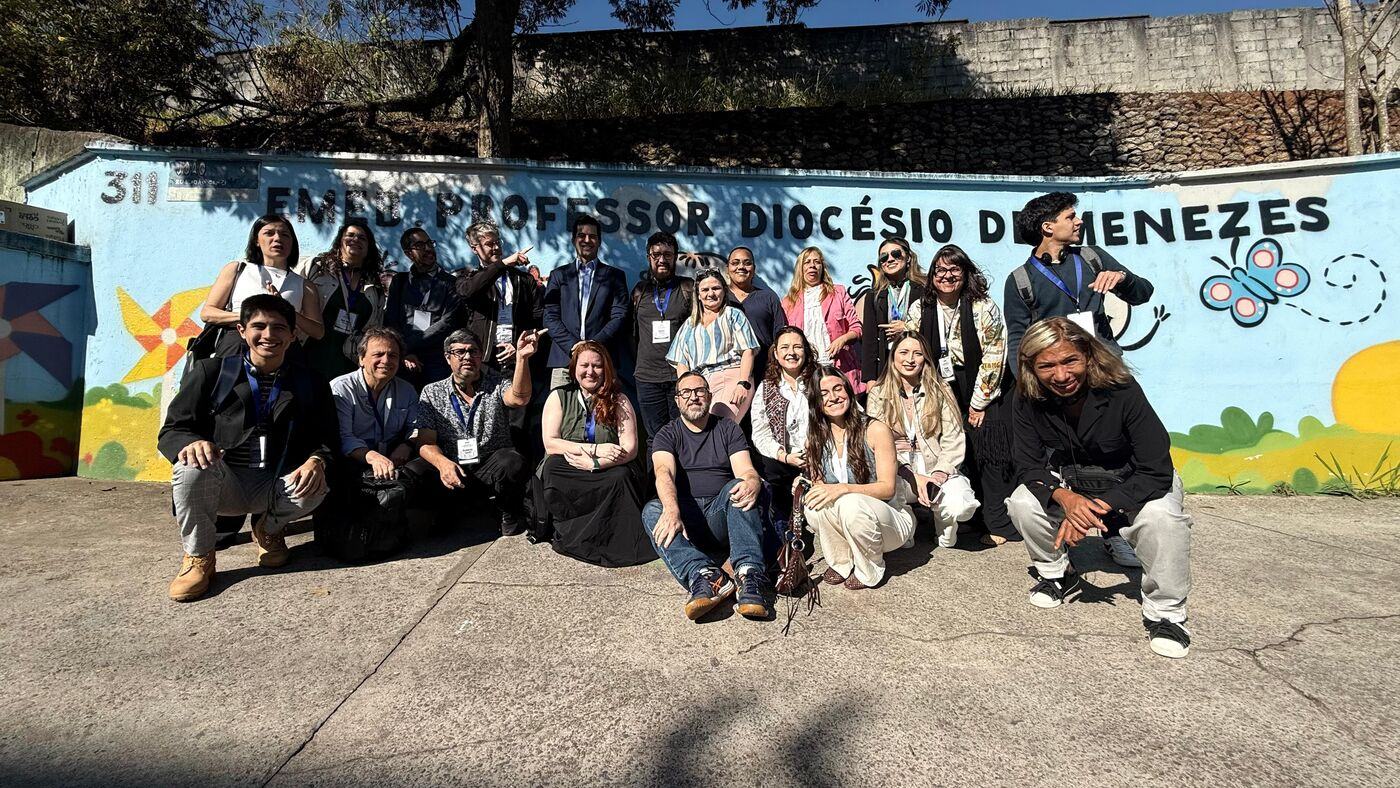
Presentation during the in-person experience School visit in Brazil
The first cohort of the Education Journalism Community

First Cohort of the Community · 2026

The first cohort is made up of twelve journalists from six Latin American countries: Argentina, Brazil, Chile, Colombia, Mexico and Peru. Having two journalists per country seeks to promote a diversity of perspectives, regional exchange and long-term professional relationships.

AR

ARGENTINA

Ricardo Braginski
Ricardo Braginski
Clarín

Editor of the Society section, specialized in Education. BA in Communication Sciences (UBA), fellow at the University of Michigan and MBA from UADE. First ADEPA Prize for Journalism in Education (2017) and UBA Career Achievement Award in Journalism (2018). University professor and coordinator of the Journalism program at Universidad de Palermo.

Alfredo José Dillon
Alfredo José Dillon
Infobae

Journalist, teacher and researcher. PhD in Social Sciences (UBA), Master’s in Journalism (UdeSA) and BA in Literature (UBA). Professor at the Pontifical Catholic University of Argentina, where he co-directs the Audiovisual Studies Program. Education and culture columnist at Infobae.

BR

BRAZIL

Isabela Palhares
Isabela Palhares
Folha de S.Paulo

Leading Brazilian journalist specialized in covering education policy and practice. A Journalism graduate from PUC-Campinas, she has built her career writing about education since 2015, from early childhood to graduate education.

Paula Ferreira
Paula Ferreira
Estadão

Journalism graduate with a Master’s in Communication from the Federal University of Rio de Janeiro (UFRJ). 2015 Esso Award in the “Education” category. Brasília-based reporter for Estadão, covering education, health, security and the environment.

CL

CHILE

Roberto Gálvez
Roberto Gálvez
La Tercera

Journalist and editor with more than 17 years of experience. Chronicle coordinator at La Tercera and regular contributor to Radio Duna, covering education policy, national affairs and institutions.

Dierk Gotschlich
Dierk Gotschlich
El Mercurio

Media graduate from Universidad Adolfo Ibáñez. More than 8 years in print media, focusing on daily news and on the public and private education agenda. Coordinator of the City team at El Mercurio.

CO

COLOMBIA

Paula Casas Mogollón
El Espectador

Journalist with the LATAM Young Journalists Network, specialized in education, health, science, environment and human rights. Fellow of the IAPA and the Dart Center (Columbia). Two-time winner of the Constructora Capital Environmental Journalism Award and winner of the Simón Bolívar Award for written reporting.

Mateo Chacón Orduz
Mateo Chacón Orduz
El Tiempo

Graduate in Social Communication and Journalism from Universidad Central de Colombia. Deputy editor of the Vida section, focused on Education, at EL TIEMPO Casa Editorial, where he leads coverage of public policy, the school system, higher education and science communication.

PE

PERU

Augusto Townsend Klinge
Comité de Lectura

Lawyer, journalist and social entrepreneur. Law graduate from PUCP, with a specialization in the Economics of Climate Change from Cambridge (Chevening scholar). World Economic Forum Young Global Leader (2014). Former Chief Economics Editor at El Comercio; today Founder and Chief Curator of Comité de Lectura.

Sebastián Ramírez Mendoza
El Comercio

BA in Communication from Universidad de Lima, with postgraduate studies at Universidad del Pacífico and ESAN. Writer and reporter for the National section of El Comercio (citizen complaints, public policy, cybersecurity, education). Founder of the independent project @chinoperiodista.

MX

MEXICO

Alma Paola Wong
Alma Paola Wong
Grupo Milenio

Journalist with almost two decades of experience and a degree in Communication Sciences from UNAM. A leading voice on education. Special affairs reporter and host at Grupo Milenio.

María Cabadas
María Cabadas
El Universal

Graduate of the Carlos Septién García School of Journalism, specialized in national affairs, health and education. Reporter for the Nation section of El Universal. National Journalism Award (Club de Periodistas de México) in the Reporting category.

Contact

Subscribe to our newsletter!

Get our research, events and publications straight to your inbox.

You can also write to us at info@evidenciaeducativa.org

Literacy scales up: four organizations join forces in a regional alliance to drive the transformation of education in Latin America

Fundación Arcor, the Instituto de Evidencia Educativa, Instituto Natura and Fundación SURA sign an agreement to make literacy at the right age an urgent priority in the region.

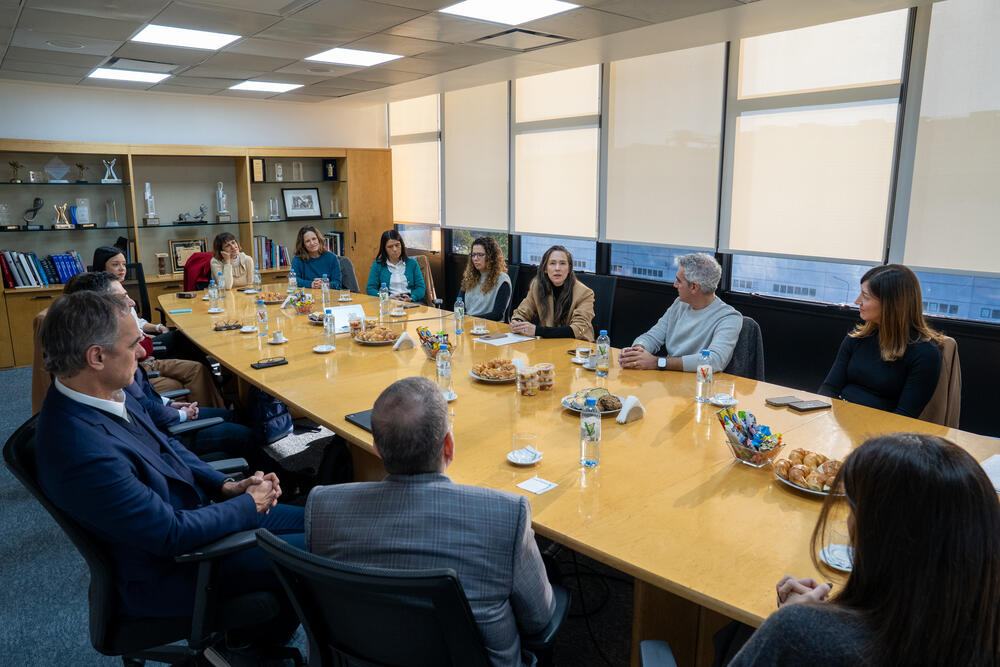
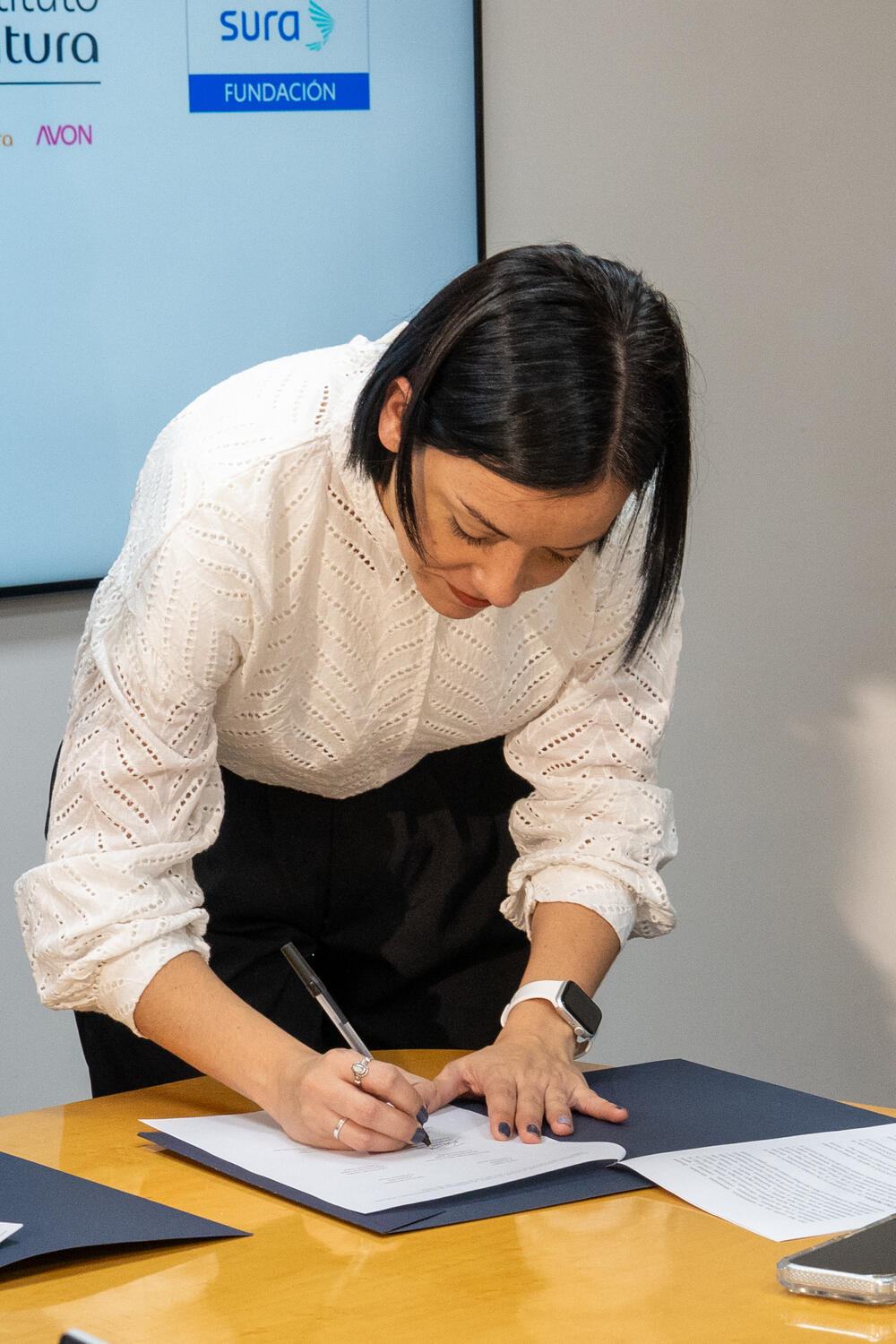
Buenos Aires, June 23, 2026. In Latin America, the learning crisis is an unavoidable challenge: eight in ten children reach age 10 without understanding what they read. To reverse this “learning poverty”, as described by the World Bank, which deepens inequalities and limits the future of millions of students, Fundación Arcor, Instituto Natura, Fundación SURA and the Instituto de Evidencia Educativa have signed a cooperation agreement.

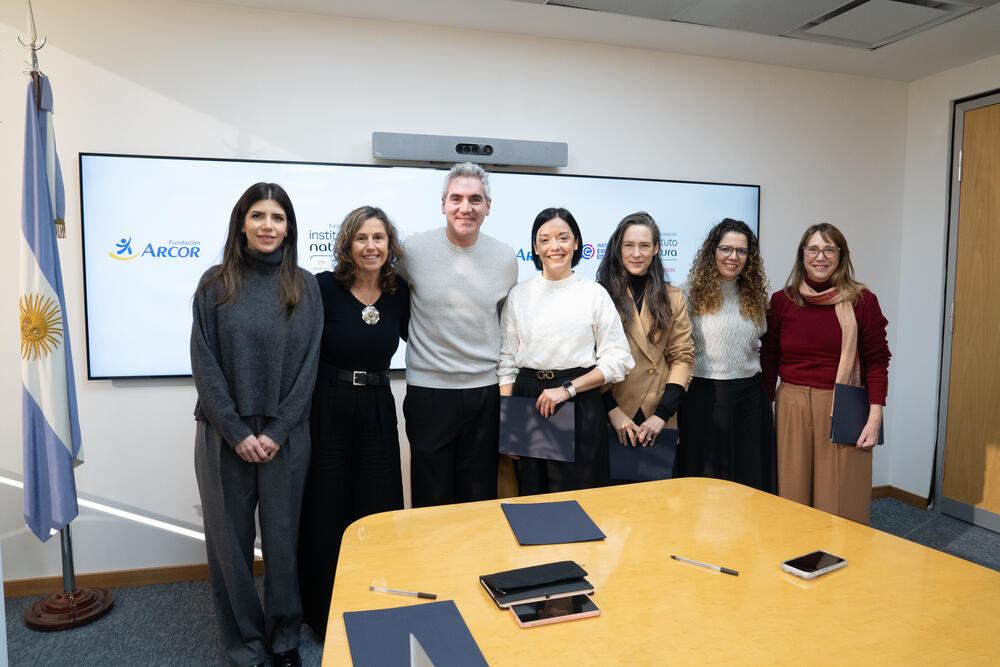
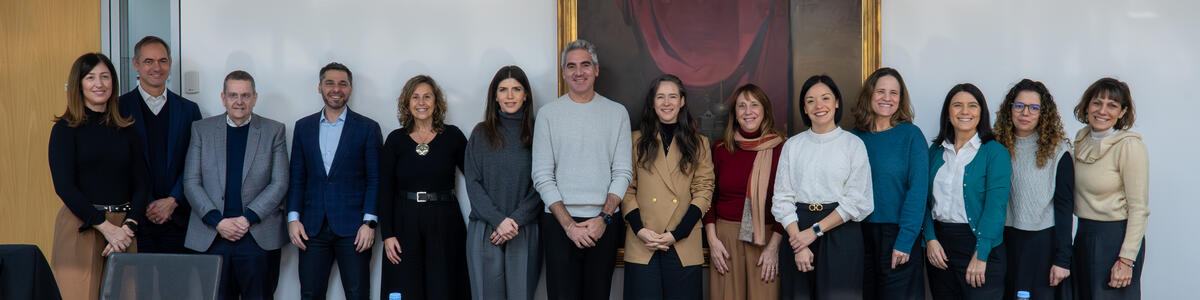
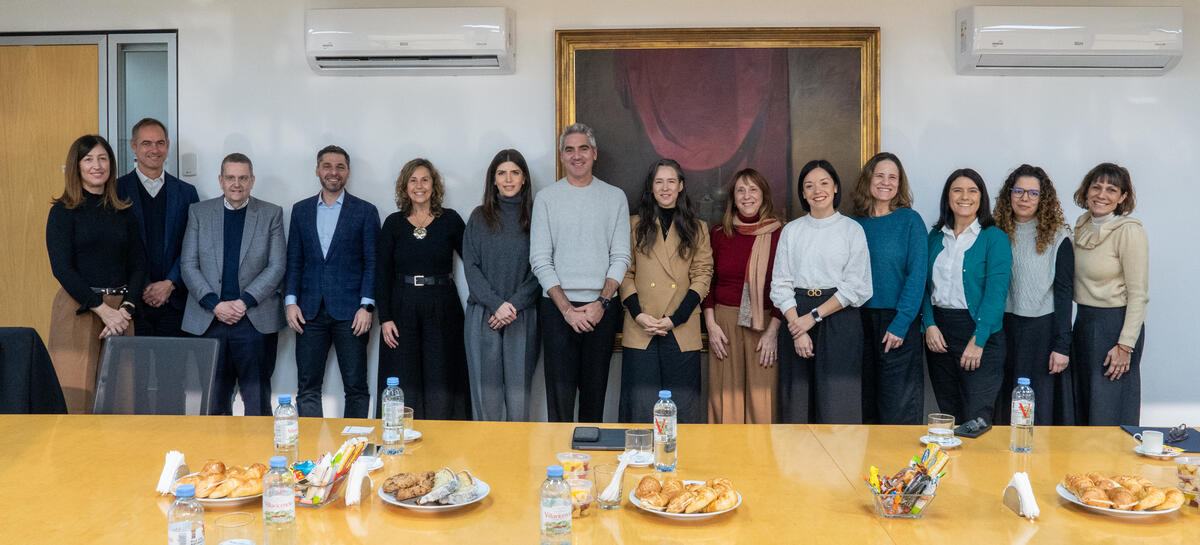
Representatives of Fundación Arcor, Instituto Natura, Fundación SURA and the Instituto de Evidencia Educativa at the signing of the agreement

Through this strategic alliance, the four institutions join forces to foster collaboration and coordination among the countries of the region, involving the public sector, international organizations, the third sector and key education leaders.

The alliance aims to facilitate ongoing exchange among different actors with three core purposes: making literacy a central priority on public agendas, driving greater political commitment to the issue, and supporting the strengthening of public policies in this direction.

Working meeting among the signatory organizations Signing of the cooperation agreement

A collaborative ecosystem to tackle the problem

These actions will complement local strategies to improve reading and writing in each country. Fundación Arcor, the Instituto de Evidencia Educativa, Instituto Natura and Fundación SURA will promote initiatives to encourage international exchange among leaders and organizations from Argentina, Brazil, Chile, Colombia, Mexico and Peru, which together account for about 70% of the region’s students. This effort will serve the work that civil society organizations are already doing to support the public sector in these countries.

This effort adds to a series of actions that governments and organizations from different sectors are carrying out to improve reading and writing in Latin America, such as the Reading Comprehension Movement (Movimiento por la Comprensión Lectora), a coalition of more than 350 organizations from different countries supporting governments’ work to improve early literacy indicators.

Representatives of the signatory organizations Teams from Fundación Arcor, Instituto Natura, Fundación SURA and the Instituto de Evidencia Educativa

This alliance reflects an unprecedented level of commitment and collaboration among civil society organizations to improve education in the region, supporting the implementation of public literacy policies. It tackles a structural problem in education through collaboration and exchange among actors from different countries, building an effective strategy to reduce inequality and secure the development and competitiveness of Latin America’s future.

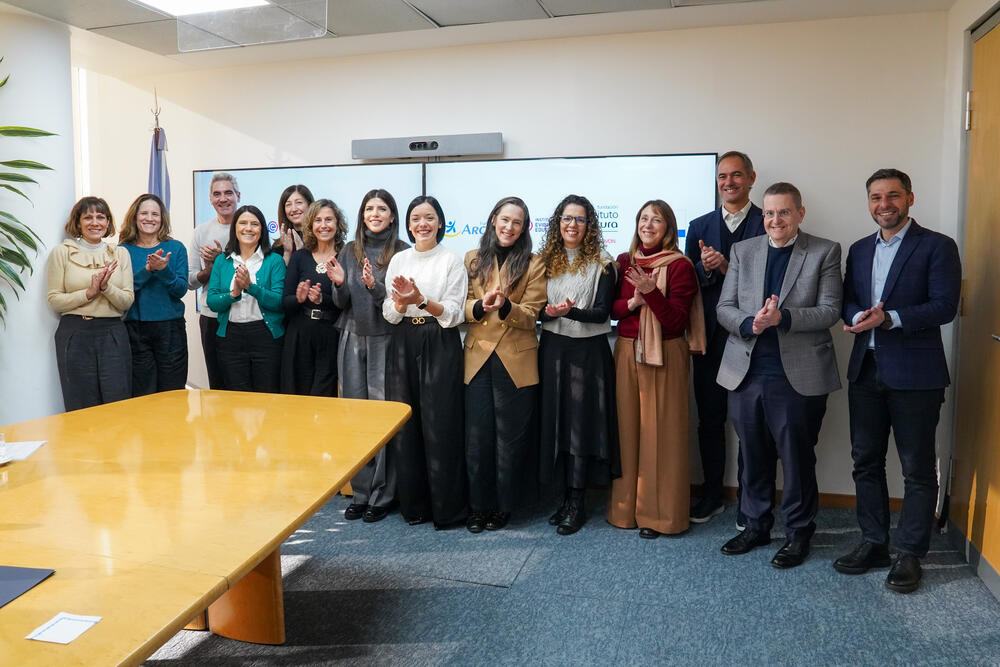
Teams from the four organizations after signing the agreement

Testimonials

“The evidence is clear: more than 20 million children in Latin America and the Caribbean are at risk of not developing the reading skills they need to learn. In the face of this reality, inaction is not an option. This alliance is born out of urgency and the conviction that education systems can improve when decisions are based on evidence and goals are shared. At the Instituto de Evidencia Educativa we will provide rigorous evidence to guide action and track progress, because ensuring literacy on time is key to expanding the opportunities of millions of children in the region.”
Romina Durán — Head of Research and Data, Instituto de Evidencia Educativa
“When we work as a network, we expand our capacity to understand challenges, build solutions and create impact. This regional alliance is born from a shared conviction: early literacy is an enabling condition for children to keep learning throughout their lives. By connecting evidence and experiences from different actors and countries, we strengthen a common agenda that promotes better-informed decisions and helps transform education in Latin America in a sustainable way.”
María Mercedes Barrera — Executive Director, Fundación SURA Colombia
“For Fundación Arcor, signing these agreements is a strategic step to strengthen our commitment to early childhood and education in Latin America. These alliances allow us to build capacity, bring knowledge together and expand the reach of actions that create opportunities from the earliest years. We firmly believe that collaborative work is key to driving sustainable transformation in Latin America.”
Laura Pagani — President, Fundación Arcor
“For Instituto Arcor Brasil, these agreements are an opportunity to consolidate and expand our work for early childhood and education in the country. Working with strategic partners strengthens our initiatives and allows us to have greater impact on the ground.”
Mario Pagani — President, Instituto Arcor Brasil, and Director, Grupo Arcor Brasil
“Literacy at the right age is the foundation of equity and one of the keys to driving development in Latin America. At Instituto Natura we understand that we need to move from isolated efforts and experiences to true coalitions that mobilize and support state policies. This alliance among foundations was created precisely to consolidate cross-border collaboration. By joining forces, we can advance the right to read and write at the right age as a non-negotiable commitment for our entire region.”
David Saad — CEO, Instituto Natura Latin America
“This alliance is much more than an agreement among foundations. At Instituto Natura, we are convinced that real transformation happens on the ground, when actors with different perspectives share diagnoses, evidence and common strategies. Literacy at the right age is not just a pedagogical goal: it is the gateway to breaking cycles of inequality in Latin America. That is why working with Fundación Arcor, Fundación SURA and the Instituto de Evidencia Educativa is essential: we are four organizations with a regional presence in many countries, and together we have the capacity and commitment to transform education across the region.”
Karina Stocovaz — Manager, Fundación Instituto Natura for Spanish-speaking America
Teams from the signatory organizations at the meeting venue

About Instituto Natura

Founded in 2010, Instituto Natura works to transform public education in Latin America and ensure quality learning for children and young people in Argentina, Brazil, Chile, Colombia, Mexico and Peru. It also supports the educational development of Natura and Avon Beauty Consultants and works with public sector and civil society partners. Since 2024, it has expanded its work to defending women’s fundamental rights, with initiatives focused on breast cancer awareness and on combating violence against women and girls, with the support of Avon.

About Fundación Arcor

Fundación Arcor Argentina (1991), Instituto Arcor Brasil (2004) and Fundación Arcor Chile (2015) are non-profit organizations created by Grupo ARCOR. They reflect the commitment and social responsibility inherited from the company’s founders, promoting the comprehensive development of communities. They carry out Arcor’s Social Investment Strategy, working closely with society, in the conviction that education is the key tool to create equal opportunities for children. In almost 35 years, they have supported more than 4,500 projects, benefiting 7 million children and more than 1.5 million people who work with children in Latin America. More information at www.fundacionarcor.org

About Fundación SURA

Grupo SURA and its subsidiaries channel a significant part of their social investment through Fundación SURA, created in 1971 in Colombia and in 2017 in Mexico and Chile, with the purpose of contributing to capacity building and community well-being in several Latin American countries. In addition to leading the Corporate Volunteering program, the Foundation focuses on three areas: Quality of Education, Cultural Promotion, and Citizenship and Democracy, in line with the contexts and needs of each territory.

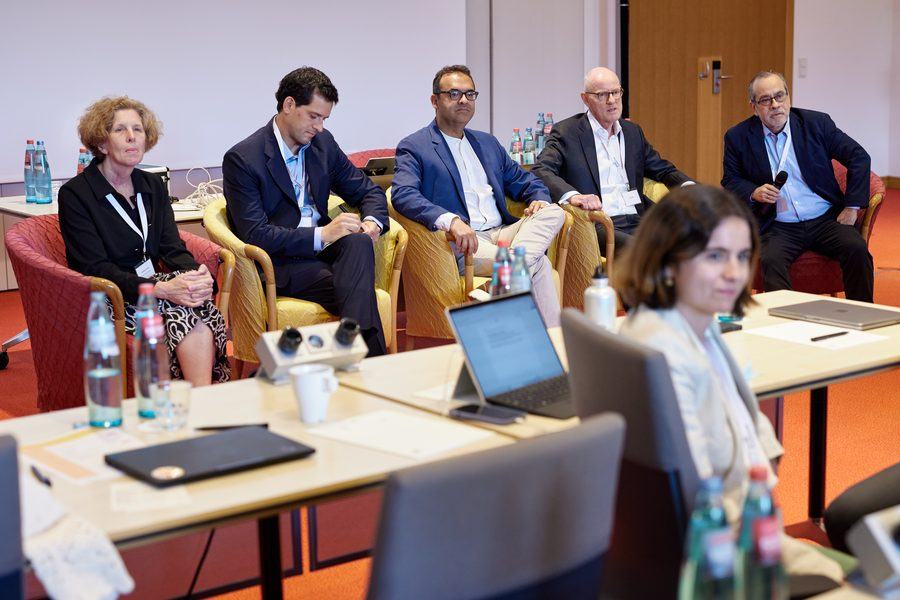
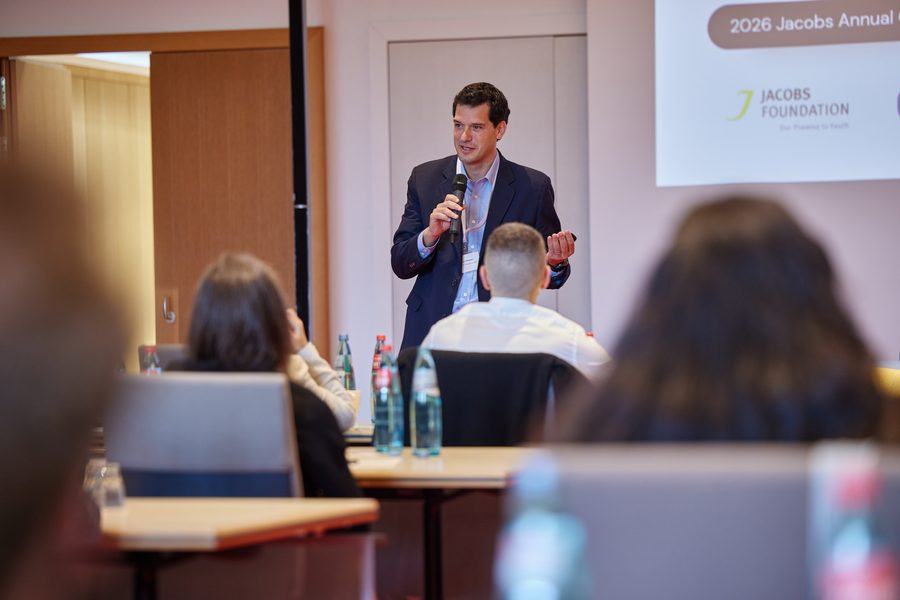
Ignacio Ibarzabal, President of the Instituto de Evidencia Educativa, attended the international LEVANTE event organized by the Jacobs Foundation

The meeting, held in Switzerland, brought together global leaders to discuss the gap between scientific research and public policy design in education systems.

In practice, researchers and policymakers often live in different worlds. More than four decades ago, psychologist Nathan Caplan described this reality as the “two communities” problem, characterized by mismatched languages, conflicting incentives and distant timelines. To address this challenge and build strategic bridges, the Instituto de Evidencia Educativa took an active part in the international conference organized by the Jacobs Foundation in Zurich.

LEVANTE session LEVANTE presentation

Under the title “From Evidence to Action: Charting the LEVANTE Roadmap for Impact in Education Systems”, the event became a key opportunity to explore the variability of children’s learning. The central premise of the LEVANTE initiative is a fundamental critique of traditional models: education systems designed for an “average” student —who does not exist in reality— end up failing because they do not account for learning trajectories that are deeply heterogeneous and context-dependent.

Our Head of Research, Romina Durán, spoke at the Philanthropy Forum organized by CAPADESO in Panama

“Building Legacies with Purpose: Education as a Catalyst for Impact”

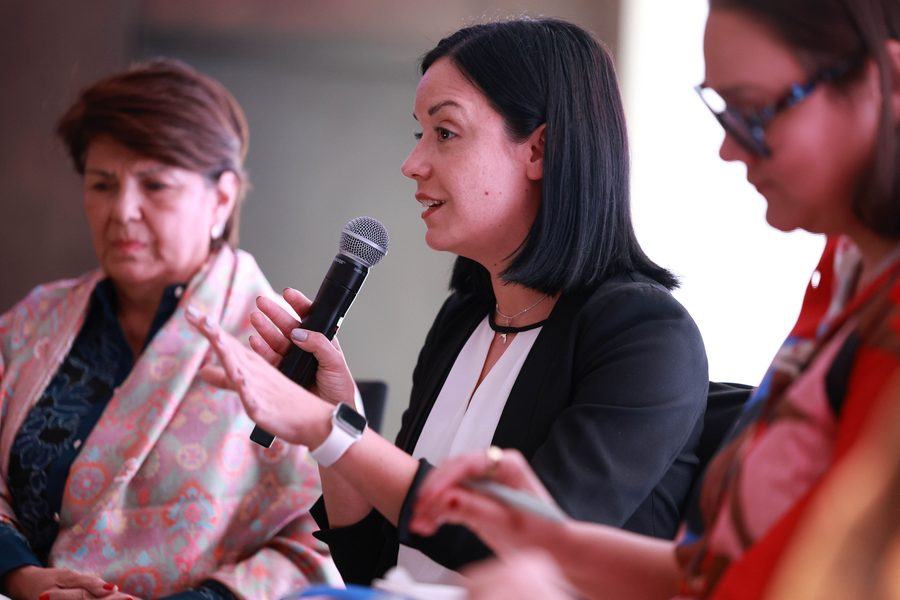
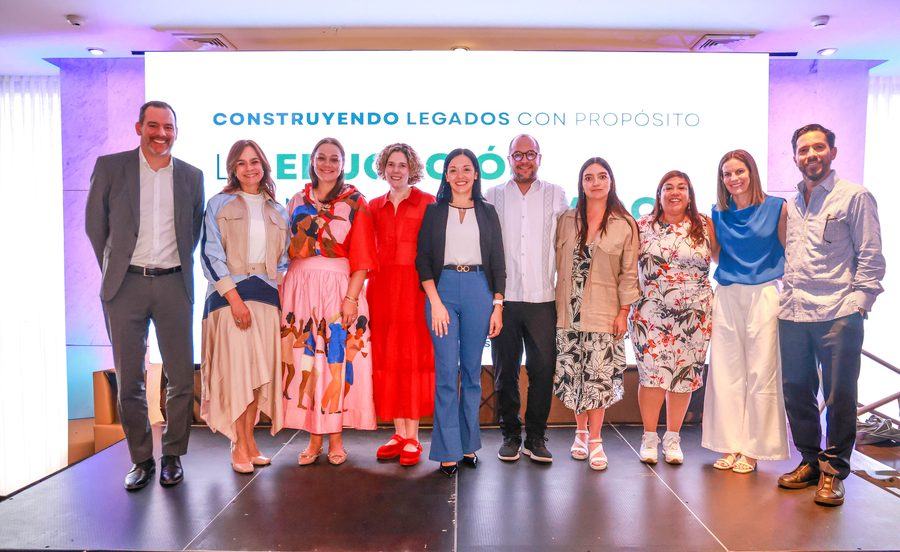
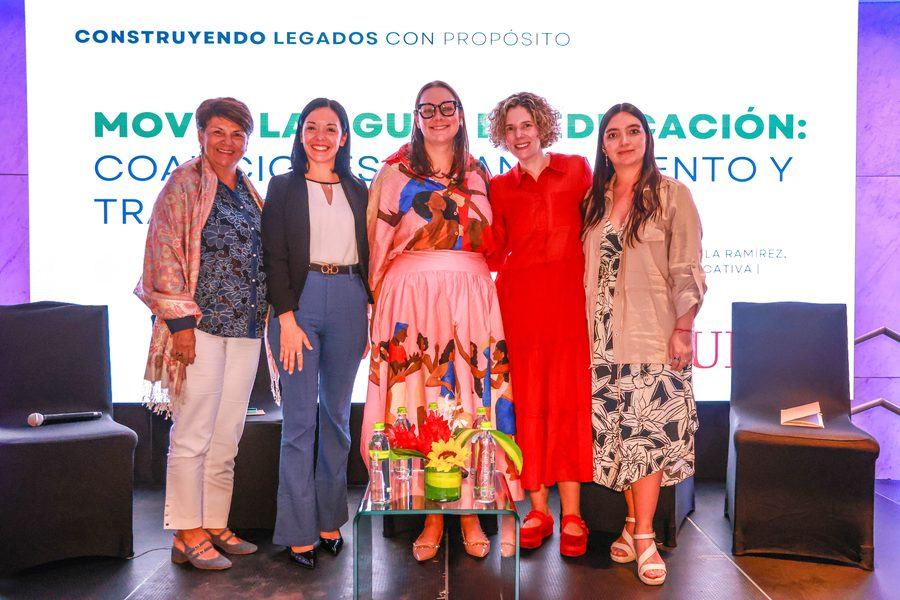
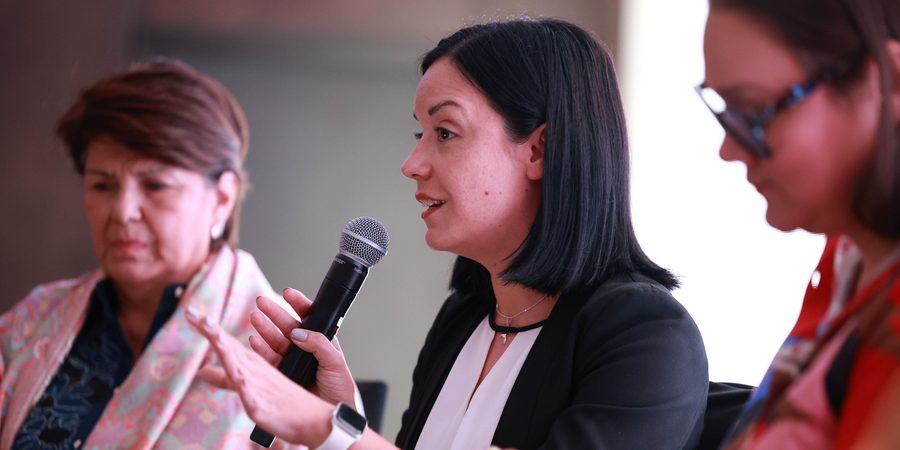
Romina joined the panel “Moving the needle in education: coalitions, funding and working with governments”, alongside representatives of Fundación Empresarios Por la Educación (Colombia), Latimpacto and La Gran Alianza Educativa (Panama).

CAPADESO panel Romina Durán

The conversation revolved around a central question: how to turn philanthropic commitment into sustainable transformation at scale.

CAPADESO group Full panel

At the IEE we brought one conviction: coalitions among philanthropy, civil society and governments are a necessary condition for moving the needle in education. And evidence is the tool that makes that conversation strategic and more effective.

The Instituto de Evidencia Educativa at the Better Future Forum in Singapore

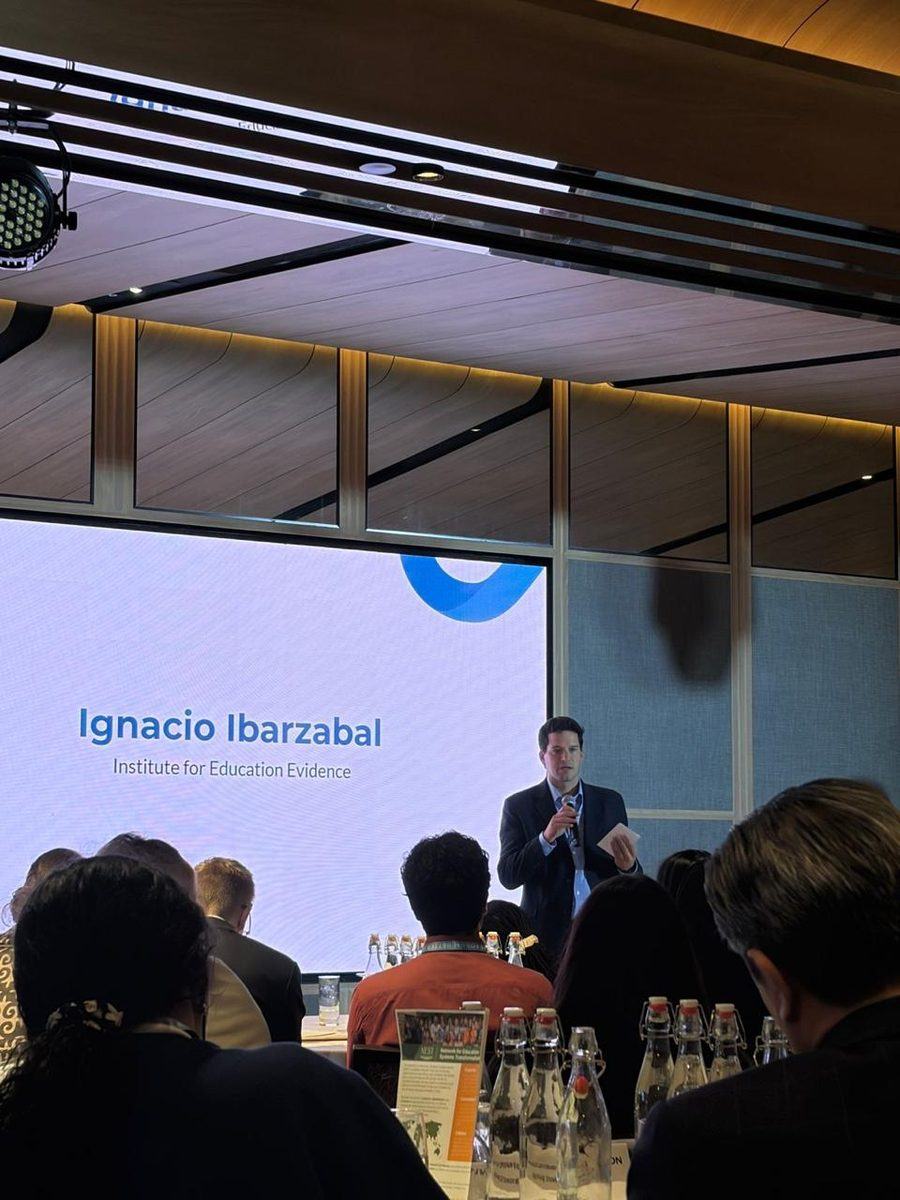
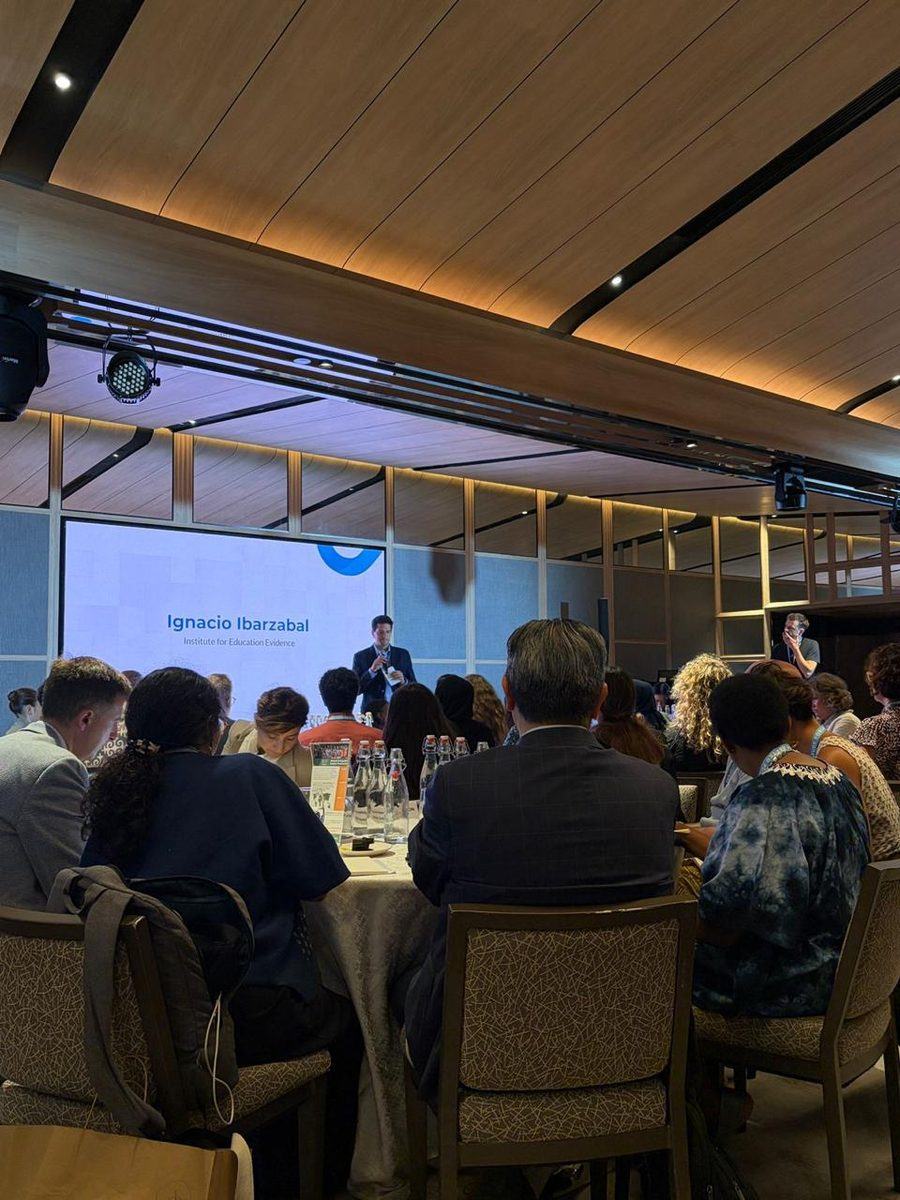
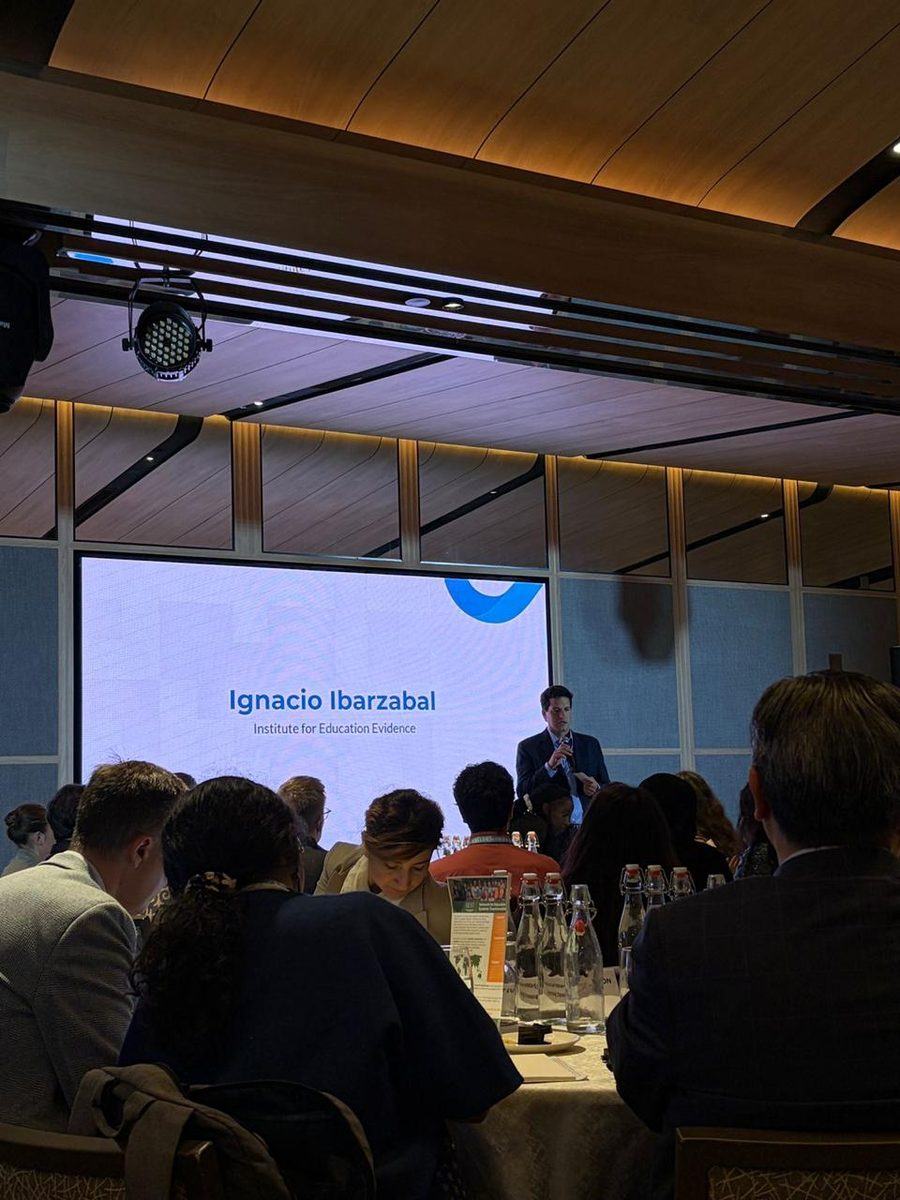
Ignacio Ibarzábal, President of the Instituto de Evidencia Educativa, spoke at the Better Future Forum, organized by the Global Institute for Shaping a Better Future in Singapore.

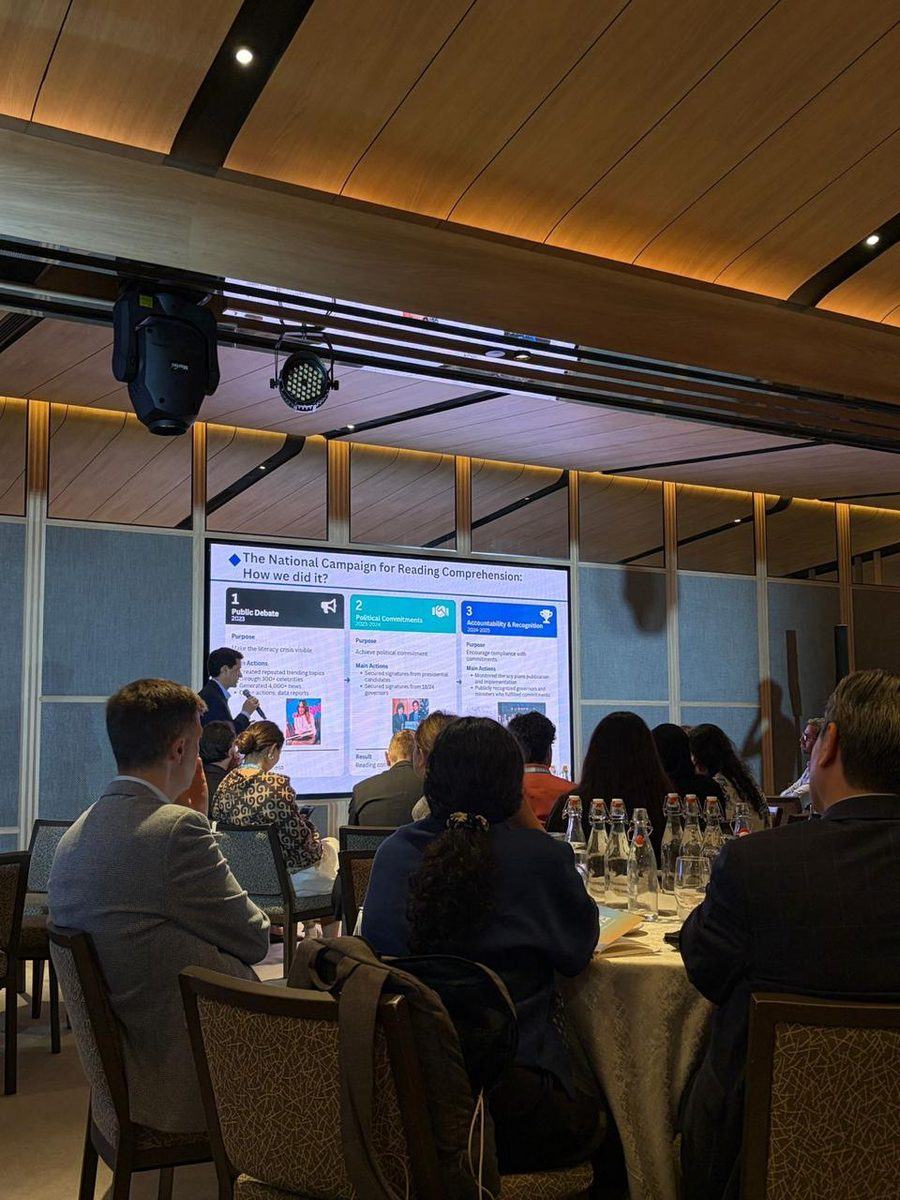
During the meeting, Ibarzábal presented on combining evidence and collective leadership as a tool to drive change in education policy. He also shared the progress of the Reading Comprehension Movement, a regional initiative the Institute has been building together with many actors in the sector.

Better Future Forum Singapore

The first day included a dinner with the First Lady of Singapore and leaders of the local education ecosystem, in an exchange with leaders working at different levels of education systems worldwide.

Presentation in Singapore Session in Singapore

The forum brought together organizations and people committed to transforming education around the world, and was an opportunity to strengthen alliances and plan joint actions for the future.